This cheerful little loaf cake feels like a spring or summer picnic with lemonade and sunshine. It’s similar to a pink lemonade cake that my elderly neighbor used to make when I was growing up. She made it for all the neighborhood kids and we always gobbled it up. When I was about ten years old she taught my friend and me how to make it. She used a yellow cake mix in a large baking pan and poked holes all over the cake, then drenched it in a pink, sugary lemon icing. I transformed that happy pink lemonade memory into a delightful loaf cake made from scratch.
1cup plus 2 tablespoons (5 oz or 142g)all purpose flour, sifted
1teaspoon baking powder
½teaspoonfine sea salt
¼teaspoonbaking soda
¼cup (2 oz or 59ml)whole milk
¼cup (2 oz or 59ml)sour cream
1cup (7 oz or 200g)sugar
½cupvegetable oil or neutral oil of your choice
2largeeggs
1tablespoonlemon zest
1 ½teaspoons strawberry extract
1-2dropspink gel food colorI used Americolor deep pink*
Lemon Syrup
juice of one lemon
¼cup (1 3/4 oz or 50g)sugar
Icing
2tablespoons (1 oz or 28g)unsalted butter, softened
1cup (4 oz or 113g)powdered sugar, sifted
2-2 ½tablespoonslemon juice
½teaspoonstrawberry extract
pinchfine sea salt
1tiny droppink gel food colorI used Americolor deep pink*
Instructions
Pink Lemonade Cake
Preheat oven to 325ºF (163ºC). Line the bottom of an 8 X 4-inch loaf pan with parchment paper. Grease and flour the sides.
In a medium bowl, whisk together the flour, baking powder, salt and baking soda.
In a small bowl, whisk together the milk and sour cream.
In a large bowl, beat the sugar, oil, eggs, lemon zest and strawberry extract until smooth.
Stir in the flour mixture in two additions, alternating with the milk mixture. Stir just until combined. Stir in food color a little at time until your desired shade is achieved.
Transfer the batter to the prepared baking pan. Bake until a toothpick inserted into center of the loaf comes out clean, about 45-50 minutes. Meanwhile, prepare lemon syrup.
Let the cake cool in the pan for 10 minutes, then remove from pan and transfer to a cooling rack. Poke holes all over the top of cake with a skewer.
Brush the warm cake generously with the lemon syrup. Let the cake cool completely, then top with icing.
Lemon Syrup
In a small saucepan, combine the juice of one lemon with enough water to equal 1/4 cup. Add sugar and stir over medium-low heat until sugar is dissolved. Remove from heat.
Icing
In a medium bowl, beat the butter, powdered sugar, 1 tablespoon lemon juice, the strawberry extract and a pinch of salt, until smooth. Add more lemon juice until your desired consistency is reached. Mix in gel food color.
Once upon a time, there was a little black bear who woke up from a long nap. As she stretched, she felt her tummy growl. She ventured into the morning sunshine and smelled something sweet. She sniffed the air, following the sweet fragrance until she came upon a beautiful purple tree. She climbed up to a comfy branch and ate the tender, purple blossoms to her heart’s content.
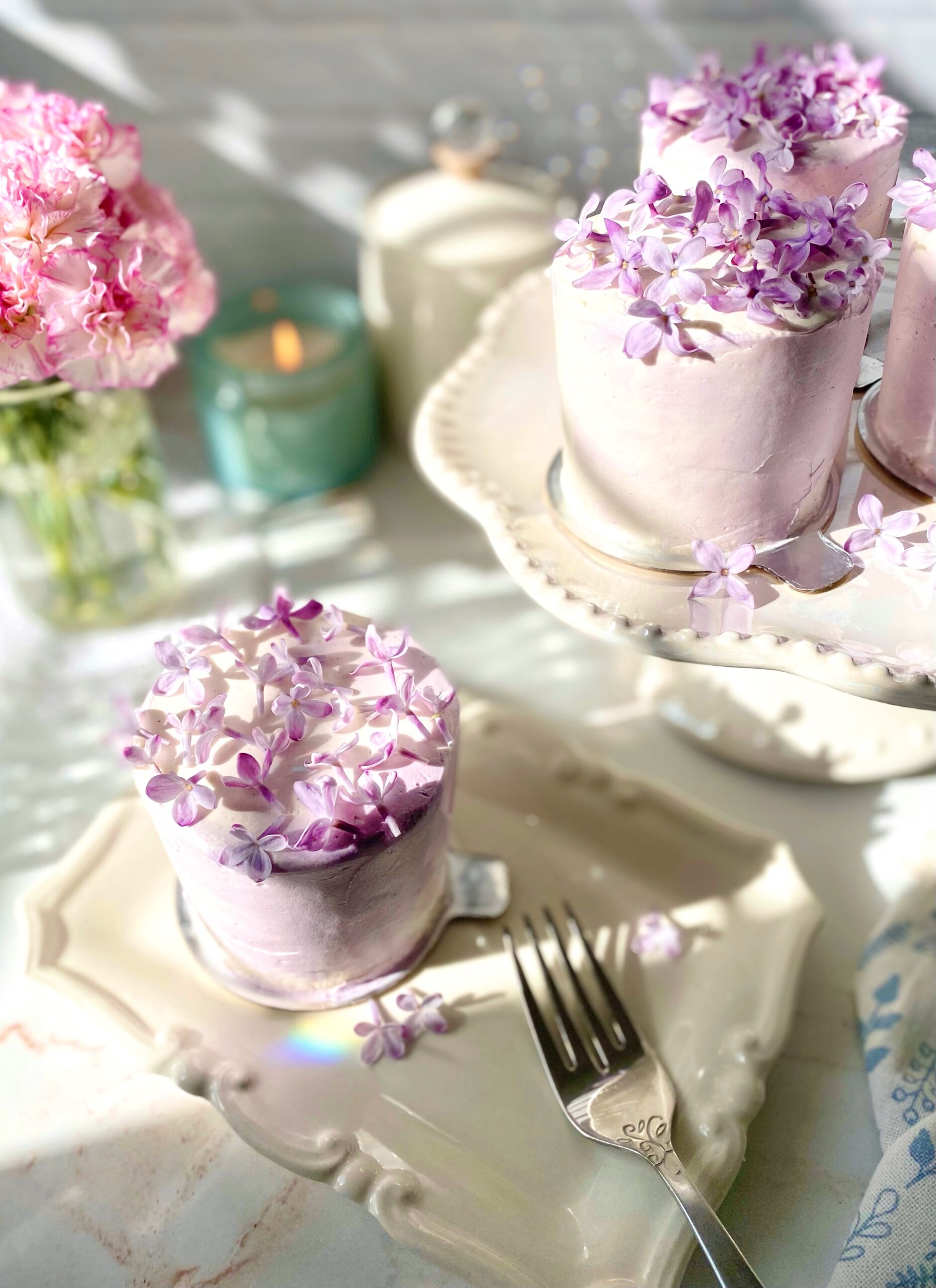
Bears, butterflies and bees know something good when they see it. We humans can also enjoy lilacs. I knew lilacs were edible, but I hadn’t tasted them until recently. The flavor reminds me of beets, slightly sweet with a vegetable aftertaste. I really wanted to try lilac syrup after seeing so many photos of pretty purple syrup online. I discovered that lilac syrup is not purple. It’s more of a dull, brownish blue-green. Many people use food coloring or blueberries to color their syrup. I also discovered that lilac syrup will turn a pretty shade of mauve by adding a small amount of lemon juice to the finished syrup. Since I would be using my lilac syrup inside of cake layers, I let it remain its natural color. I made a simple syrup with lilac blossoms and let them steep for a couple of hours. It was just long enough to give a subtle lilac flavor without being too floral. If you want a stronger lilac flavor, I suggest using more lilac blossoms rather than steeping longer to avoid bitterness.
I paired the lilac syrup with this soft, fluffy vanilla cake and silky Swiss meringue buttercream. If you aren’t a fan of lilac syrup, feel free to use vanilla simple syrup instead and just use the lilac blossoms to decorate your cakes. They look stunning on any cake or cupcakes.
Lilac Vanilla Mini Cakes
by Mari Vasseur
Soft, fluffy mini white vanilla cakes with lilac syrup and vanilla Swiss meringue buttercream, topped with lilac blossoms
½ cup (7g)lilac blossoms, rinsed and all stems removed
1teaspoonfresh lemon juiceoptional
White Vanilla Cake
2 ¾cups (319g))cake flour, sifted
2teaspoonsbaking powder
1teaspoonfine sea salt
½cup (113g)unsalted butter, softened
1 ¾cups (350g)ultra fine granulated sugar*Not powdered sugar
¼cup (2 oz or 57ml)vegetable oil or neutral oil of your choice
2teaspoonsvanilla bean paste or pure vanilla extract
4largeegg whites, room temperature
1largeegg, room temperature
½cup (118ml)sour cream, room temperature
1cup (237ml)whole milk, room temperature
Swiss Meringue Buttercream
4largeegg whites
1 ⅓cups (265g)ultra fine granulated sugar*Not powdered sugar
1 ½ cups (340g)softened, unsalted butter, cubed
1teaspoonvanilla bean paste or pure vanilla extract
¼teaspoon fine sea salt
1-2dropslilac gel good colorSee notes below
1dropviolet gel food colorSee notes below
Assembly
63-inch mini cake boards****See notes below
Lilac blossoms, rinsed and all stems removed
Instructions
Lilac Syrup
In a small saucepan combine the sugar and water. Bring to a boil over medium heat, stirring gently to dissolve the sugar. Add the the lilac blossoms and stir gently. Turn the heat down and simmer for 5 minutes.
Remove from heat and allow the lilac blossoms to steep for 2 hours. Pass the lilac syrup through a mesh sieve.
White Vanilla Cake
Preheat the oven to 350ºF (180ºC). Grease and flour two 9-inch round cake pans and line the bottoms with parchment paper.
In a medium-sized bowl, whisk together the cake flour, baking powder and salt until well blended.
In a large bowl, beat the butter, sugar, oil and vanilla bean paste with an electric mixer at medium speed, until pale and fluffy, about 3 minutes.
On medium speed, beat in the egg whites in two additions, then beat in the egg until incorporated. On low speed, beat in one third of the flour mixture, then beat in the sour cream just until combined. Beat in the remaining flour mixture in two additions, alternating with milk. Beat just until combined.
Transfer the batter to prepared cake pans. Bake until the tops of the cakes are light golden brown and a toothpick inserted in center comes out clean, about 28-33 minutes. Do not over bake.
Allow the cakes to cool in the pans for 10 minutes, then remove from the pans and transfer to a cooling rack.
Cut each cake into four 2 3/4-inch rounds using a cookie or biscuit cutter.
Using a pastry brush, brush the mini cakes generously with lilac syrup or vanilla simple syrup.
Swiss Meringue Buttercream
Combine the egg whites and sugar in a large heatproof bowl. Set over a pan of gently simmering water, making sure the water doesn't touch the bottom of the bowl.
Whisk constantly until the sugar is dissolved and a temperature of 160ºF (71ºC) is reached.
Transfer the mixture to the bowl of a stand mixer with a whisk attachment. Whisk on low speed, gradually increasing to medium-high speed. Whisk until glossy, stiff peaks form and the mixture reaches room temperature.
Turn the mixer to medium-low speed. Add the butter, a few pieces at a time, allowing it to fully incorporate before adding more. If the mixture looks curdled, keep mixing and it will correct itself.
Switch to a paddle attachment. On low speed, mix in the vanilla bean paste and salt. Continue mixing on low speed for a few minutes until smooth.
Remove about 3/4 cup of frosting and transfer it to a small bowl. Using a toothpick, place two tiny drops of lilac gel food color and one tiny drop of violet gel food color into the bowl. Mix with a spatula until well combined.
Assembly
Smear a bit of frosting on each mini cake board. Top each one with a cake round, a layer of frosting, then a second cake round. Frost with a crumb coat if desired. Refrigerate of 15 minutes. Frost the mini cakes with white Swiss meringue buttercream, then smear small amounts of lilac Swiss meringue buttercream around the sides and top. Smooth frosting with a bench scraper and smooth the tops with a small offset spatula. Decorate with lilac blossoms.
Vanilla Simple Syrup (optional)
Combine 1/2 cup sugar and 1/2 cup water in a small saucepan. Bring to a boil over medium heat, stirring gently to dissolve the sugar. When the sugar has dissolved, remove from heat and stir in 1 teaspoon vanilla bean paste or pure vanilla extract.
Notes
*If you can't find ultra fine granulated sugar, it's okay to substitute with regular granulated sugar.**To find the lilac gel food color I used, click here.***To find the violet gel food color I used, click here.****To find 3-inch mini cake boards, click here.
Ever since a certain celebrity cut a hole from the middle of her favorite olive oil cake back in 2020, the internet has been obsessed with olive oil cakes. I must confess that I was a fan of olive oil cakes long before that. I first tasted one at a restaurant years ago and fell in love. The flavor and texture was so delightful, that all it needed was a dusting of powdered sugar on top. Now that the dust has settled, I’m sharing my favorite orange olive oil cake recipe. Not because it’s trendy, but because it’s a really delicious recipe that tastes like spring.
I made cute little orange scented, personal cakes that are really just elegant cupcakes. The recipe is easily adapted to your tastes. You can switch up the orange flavor and substitute with lemon or any citrus of your choice. Even if you don’t like olive oil, you’ll still like these little cakes. I used light olive oil, rather than extra virgin olive oil, for a more subtle olive oil flavor. It’s also able to withstand higher temperatures. Feel free to use your favorite olive oil or replace it with the oil you prefer. Grape seed, avocado, canola and vegetable oil are some examples of oils you can use as a replacement.
This recipe contains almond flour. It helps with texture and flavor, so it’s a necessary ingredient. Almond flour can be pricey, but it’s good to have on hand. Adding it to your baked goods will make them more moist and tender. To find almond flour click here,
Mini Orange Olive Oil Cakes
Mari Vasseur
Soft, tender mini orange cakes brushed with orange syrup & dusted with powdered sugar
Heat the oven to 350ºF (180ºC). Grease and flour a 12 serving muffin pan.
In a medium-sized bowl, whisk together the cake flour, almond flour, baking powder, baking soda and salt until well blended.
In a large bowl, beat the sugar, eggs, orange zest and vanilla extract together until smooth. Gradually mix in the olive oil and beat until creamy and well blended.
Stir in the dry ingredients in two additions, alternating with the milk and orange juice. Stir just until combined. Do not over mix.
Fill the prepared muffin pan cups 2/3 full with batter. Do not overfill or cakes will be more difficult to remove.
Bake for 10-12 minutes or until the tops look light golden, but still moist and a toothpick inserted comes out clean. They bake very quickly, so check them a few minutes early to avoid over baking.
Cool the cakes in pan for 5 minutes. Remove them from pan and transfer to a cooling rack. Brush the warm cakes with orange simple syrup and allow to cool completely. When the cakes have cooled, dust with powdered sugar.
Orange Simple Syrup
In a small saucepan, stir together the sugar, orange juice, lemon juice, and orange zest. Cook over low heat, stirring occasionally, just until the sugar is dissolved.
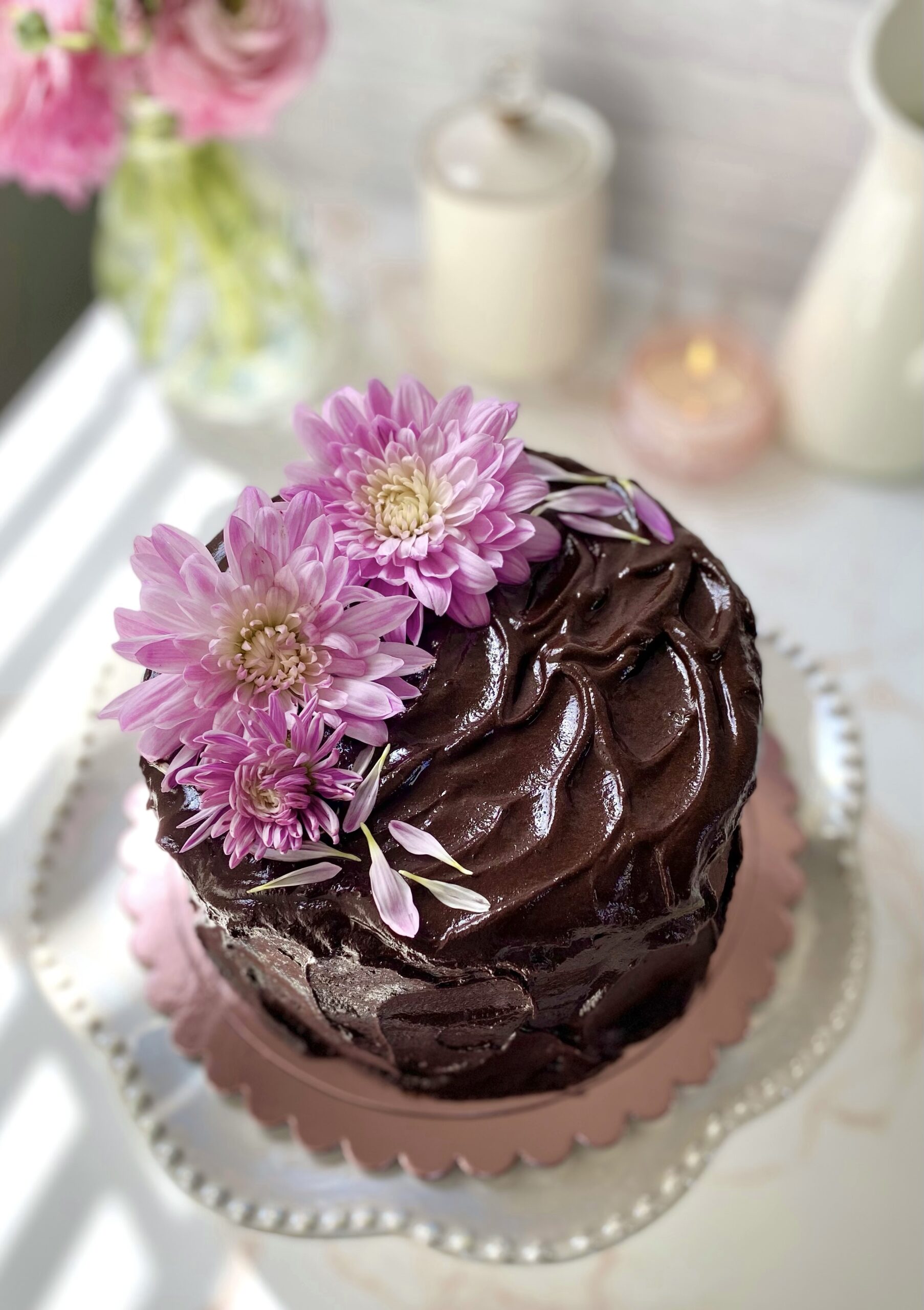
If you love chocolate cake, this is the post for you! Chocolate cake is one of the best comfort foods there is. I’ve tasted many over the years, but my all time favorite was one I had growing up. I’ve spent years trying to duplicate the moist, nostalgic cake from my childhood. I noticed that nearly every chocolate cake recipe on the internet is a variation of the century-old recipe from the Hershey’s Cocoa tin. I think many people have passed it down as a family recipe, each grandmother adding her own personal touch. Even some celebrity chefs have claimed it as their own. It’s an easy, delicious, moist recipe and its popularity is well deserved. You can tweak the flavor additions a bit to make it your own too. It’s a recipe that’s hard to mess up.
This cake is topped with the ultimate silky, smooth, deeply chocolate frosting. I developed this recipe mostly because I couldn’t find a chocolate frosting recipe that didn’t taste gritty and/or look speckled from the cocoa powder. Swiss meringue buttercream with melted chocolate added is one alternative. But, while it is smooth, silky and perfect for piping, it’s missing that deep chocolate richness. Another option is chocolate ganache. It looks rich and creamy in those viral videos, but it’s a little too rich and overpowering to use as frosting in my opinion.
I think this frosting is the one! It has the best of both worlds, velvety but not too rich. You’ll notice that this frosting contains maple syrup. The syrup gives it a very subtle maple flavor in the background, but mostly, it helps to make the frosting silky and gives it shine. You can adjust the sweetness level of the frosting by choosing the chocolate you prefer. I used bittersweet chocolate, which I think is just right. This recipe makes enough frosting to frost a 2-layer 6-inch cake. You can easily double the recipe for larger cakes.
Vintage Chocolate Cake
by Mari Vasseur
Rich moist classic chocolate cake with silky chocolate buttercream frosting
1 ⅛cup (145g)all purpose flour, siftedPlus more for dusting the pans
½cup (45g)unsweetened cocoa powder, siftedPlus more for dusting the pans
1teaspoonbaking powder
½teaspoonbaking soda
¾teaspoonfine sea salt
1 ⅓cups (265g)sugar
1largeegg
1largeegg yolk
⅔cup (155ml)buttermilk
⅓cup (70ml)vegetable oil
1 ½teaspoonspure vanilla extract
⅔cup (155ml)hot coffee or espresso
Chocolate Buttercream Frosting
½cup (148ml)pure maple syrup
3tablespoons (45ml)water
¾cup (67g)unsweetened Dutch process or dark cocoa powder, sifted
½teaspoonespresso powderoptional
1 ¼cups (283g)unsalted butter, softened
1cup (113g)powdered sugar, sifted
⅛teaspoonfine sea salt
8oz (227g)dark, bittersweet or semi-sweet chocolate, chopped*not chocolate chips
Instructions
Chocolate Cake
Preheat the oven to 350ºF (180ºC). Line the bottoms of two 6-inch cake pans with parchment paper. Grease the insides and dust with a mixture of equal parts flour and cocoa powder. Wrap the cake pans with damp cake strips if you have them.
Sift the flour, cocoa powder, baking powder, baking soda and salt together in a medium-sized bowl. Add the sugar and stir until well blended.
Combine the the egg, egg yolk, buttermilk, vegetable oil and vanilla extract in a small bowl. Whisk lightly to combine.
Add the egg mixture to the dry ingredients and beat, on low speed with an electric mixer, until combined. Stop the mixer. Scrape the sides and the bottom of the bowl with a spatula. Turn the mixer up to medium speed and beat for 30 seconds. Add the hot coffee and stir until well combined.
Pour the batter into the prepared cake pans, dividing batter evenly between the pans. Bake until a toothpick inserted into the center of the cakes comes out clean, about 25-28 minutes without cake strips or about 28-32 minutes with cake strips.
Let the cakes cool in the pans for 10 minutes then remove the cakes from the pans and transfer to a cooling rack.
Trim the cake layers to your desired thickness, from 1-inch to 1 1/2-inches thick. Fill and frost with chocolate buttercream frosting.
Chocolate Buttercream Frosting
In a small saucepan over low heat, whisk together the maple syrup, water, cocoa powder and espresso powder until smooth. Set aside to cool to room temperature.
Melt the chocolate in a medium-sized heat safe bowl set over a pan of gently simmering water, making sure the water doesn't touch the bottom of the bowl. Remove from heat and set aside to cool to lukewarm.
In a large bowl, beat the butter with an electric mixer at medium speed, until smooth and pale. Add the powdered sugar and salt and continue beating until smooth and well combined. Gradually add the the cooled maple syrup mixture and beat on low speed until combined. Stir in the melted chocolate until well blended. Smooth out any air bubbles by stirring gently with a rubber spatula.
Notes
*For smoothest results, use chopped bar chocolate and make sure chocolate is completely melted. Do not use chocolate chips. Chocolate chips do not melt completely and can make your frosting lumpy.
Sending sunshine your way with these cute, delicious bite-size mini cakes. Lemon Buttermilk Cakelets are tender and moist with a burst of fresh lemon flavor. They’re easy to make and they bake up quickly. They make an adorable addition to a spring teatime, baby shower or summer picnic.
½cup (115ml)vegetable oil or neutral oil of your choice
2largeeggs
2teaspoons lemon zest
½teaspoonpure vanilla extract
½teaspoon pure lemon extract
½cup (118ml)buttermilk
Icing
1 ½cups (180g)powdered sugar, sifted
1tablespoon (14g)unsalted butter, melted
3-4tablespoons (45-60ml)fresh lemon juice
Instructions
Lemon Simple Syrup
Measure the juice of 1 lemon. Add enough water to equal 1/4 cup (89ml). In a small saucepan, simmer the lemon juice and water mixture with the sugar and lemon zest, stirring occasionally, until the sugar is dissolved. Set aside to cool, then strain out the lemon zest.
Cakelets
Preheat the oven to 350ºF (180ºC). Grease and flour a 24-serving mini muffin pan* or use liners.
In a medium-sized bowl, whisk the flour, baking powder, baking soda and salt together until well blended.
In a large bowl, whisk the sugar, oil, eggs, lemon zest and extracts together until smooth and well blended. Mix in the flour mixture in 2 additions alternating with half of the buttermilk after each addition. Stir just until combined. Do not over mix.
Fill the muffin cups 2/3 full. (I used a portion scoop). Bake until a toothpick inserted into the center of the cakes comes out clean, about 8-10 minutes. Be careful not to over bake to avoid drying out the cakes. Let the cakes cool in the pan for 5 minutes, then remove them from the pan and transfer them to a cooling rack. (Repeat with any remaining batter.)
Icing
In a medium-sized bowl, whisk together the powdered sugar, melted butter and 3 tablespoons of lemon juice. Add additional lemon juice as needed to achieve the desired consistency. Whisk until smooth. Spoon the icing over the cooled cakes.
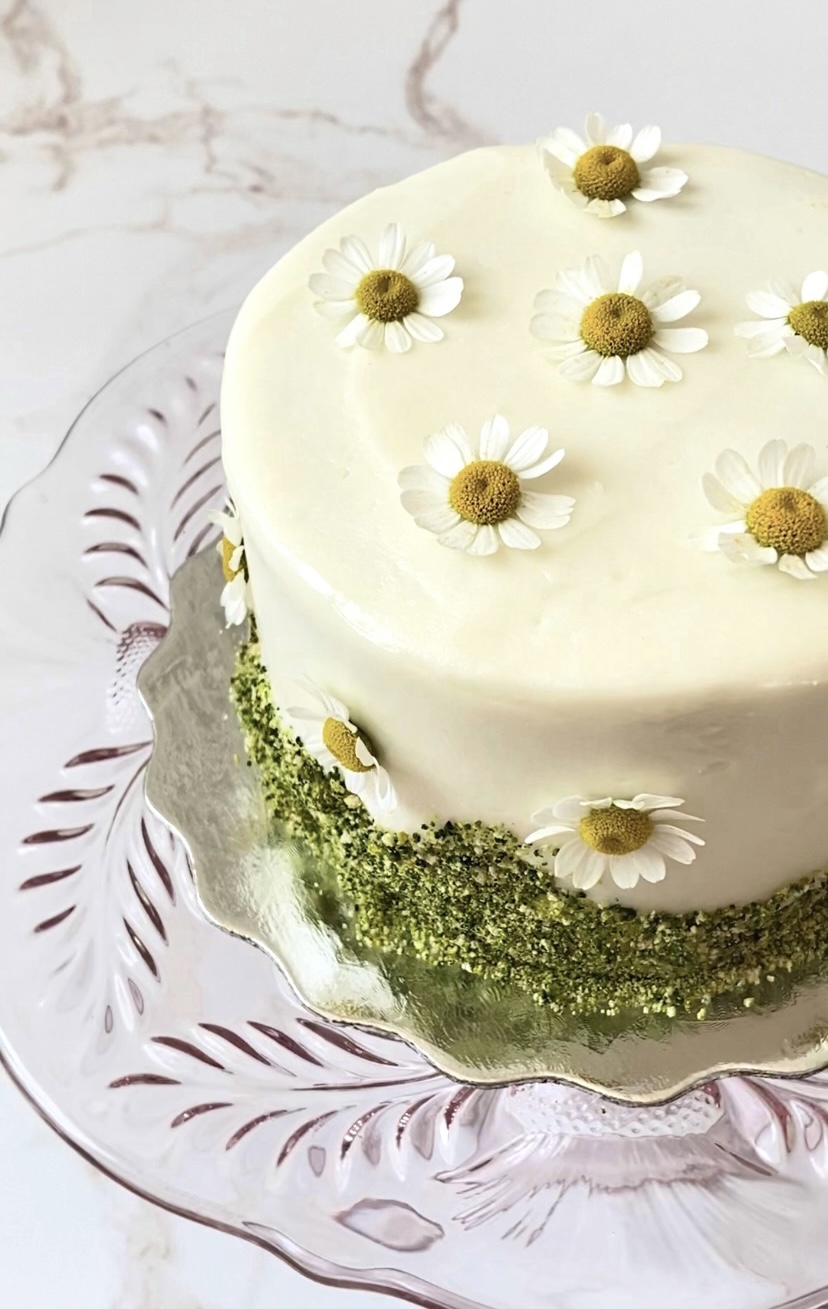
If you haven’t noticed already, I love little cakes. Mini cakes are not only cute and charming, they’re likely to make you very popular. This recipe makes two darling Mini Hummingbird Cakes, one to keep and one to share. Hummingbird Cake is a delightful way to use your ripe bananas. The version I’m sharing here also contains pineapple, pecans and coconut. This fruity, nutty combination reminds me of spring and would be perfect for Easter or a spring picnic.
Mini Hummingbird Cake
by Mari Vasseur
Hummingbird Cakes filled with bananas, pineapple, pecans and coconut, topped with cream cheese frosting and decorated with graham cracker crumb moss and fresh chamomile flowers.
Green gel food colorI used Americolor avocado green**
Yellow gel food coolI used Americolor lemon yellow***
Vodka
6graham crackers (two squares each), crushed
Fresh pesticide free chamomile flowers
Instructions
Hummingbird Cakes
Preheat oven to 350ºF (180ºC). Line the bottoms of four 4-inch cake pans**** with parchment paper. Grease and flour the insides.
In a medium-sized bowl, whisk together the flour, baking soda, salt and cinnamon until well blended.
In a large bowl, beat the butter, sugar, brown sugar and oil with an electric mixer, until pale and fluffy. Beat in the egg, egg yolk, and vanilla extract in three separate additions, making sure each one is incorporated before adding the next. Stir in the bananas, pineapple, pecans and coconut until combined.
Transfer the batter to prepared cake pans, about 1 cup of batter in each pan. Place the filled cake pans on a baking sheet.
Bake until toothpick inserted in centers comes out clean, about 25-28 minutes. Cool the cakes in pans 10 minutes then turn the cakes out onto a cooling rack.
Trim the cakes to 1-inch thickness. Fill, stack and frost the cakes with cream cheese frosting.
Cream Cheese Frosting
In a large bowl, beat the butter with an electric mixer until smooth and pale. Beat 1 tablespoon (15ml)of heavy cream, the vanilla extract and salt into the butter until well combined. On low speed, beat in the powdered sugar a half cup at a time, until well combined.
In a medium-sized bowl, mix cream the cheese with remaining 1 tablespoon (15ml) heavy cream, with a spatula until smooth. On low speed, beat the cream cheese mixture into the butter mixture until smooth and well blended. Smooth out any bubbles by stirring by hand with a spatula.
Decor
To make the graham cracker crumb moss: In two small bowls, dilute 1/8 teaspoon of each gel food color with a few drops of vodka. (Vodka will dissipate as the crumbs dry.) Place the graham cracker crumbs in a plastic food bag. Add diluted food colors a little at a time and seal the bag. Shake the bag and gently massage it to distribute the color. Add more diluted food color as needed until desired your shade of green is reached. Spread the crumbs out onto a parchment lined baking sheet to dry. Apply the crumbs to bottom edges of the frosted cakes.
Notes
*Chop the coconut flakes to achieve a finer texture. This step is optional.**To find the avocado green food color gel I used, click here.***To find the lemon yellow food color gel I used, click here.****To find the 4-inch cake pans I used, click here.
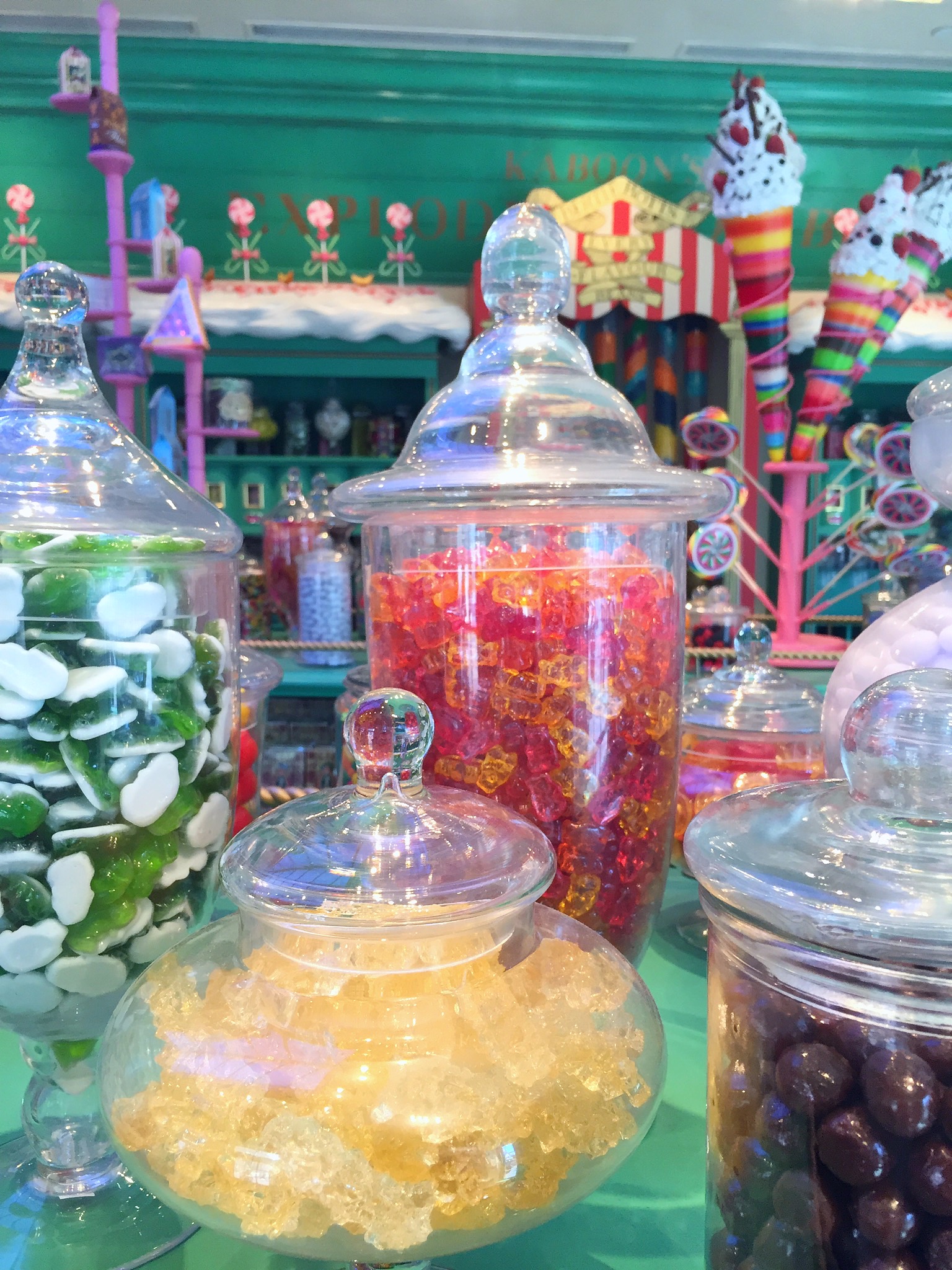
I recently enjoyed a girls’ day out at Universal Studios Hollywood. My daughter is a Harry Potter fan, so of course we beelined straight to the Wizarding World of Harry Potter upon arrival at the theme park. We were spellbound by the ominous looking Hogwart’s Castle and the sparkling snow-topped shops of Hogsmeade. My daughter was in Harry Potter fan heaven, flitting around Hogsmeade, testing out her interactive wand and sipping some refreshing Butter Beer. It’s definitely a must-try
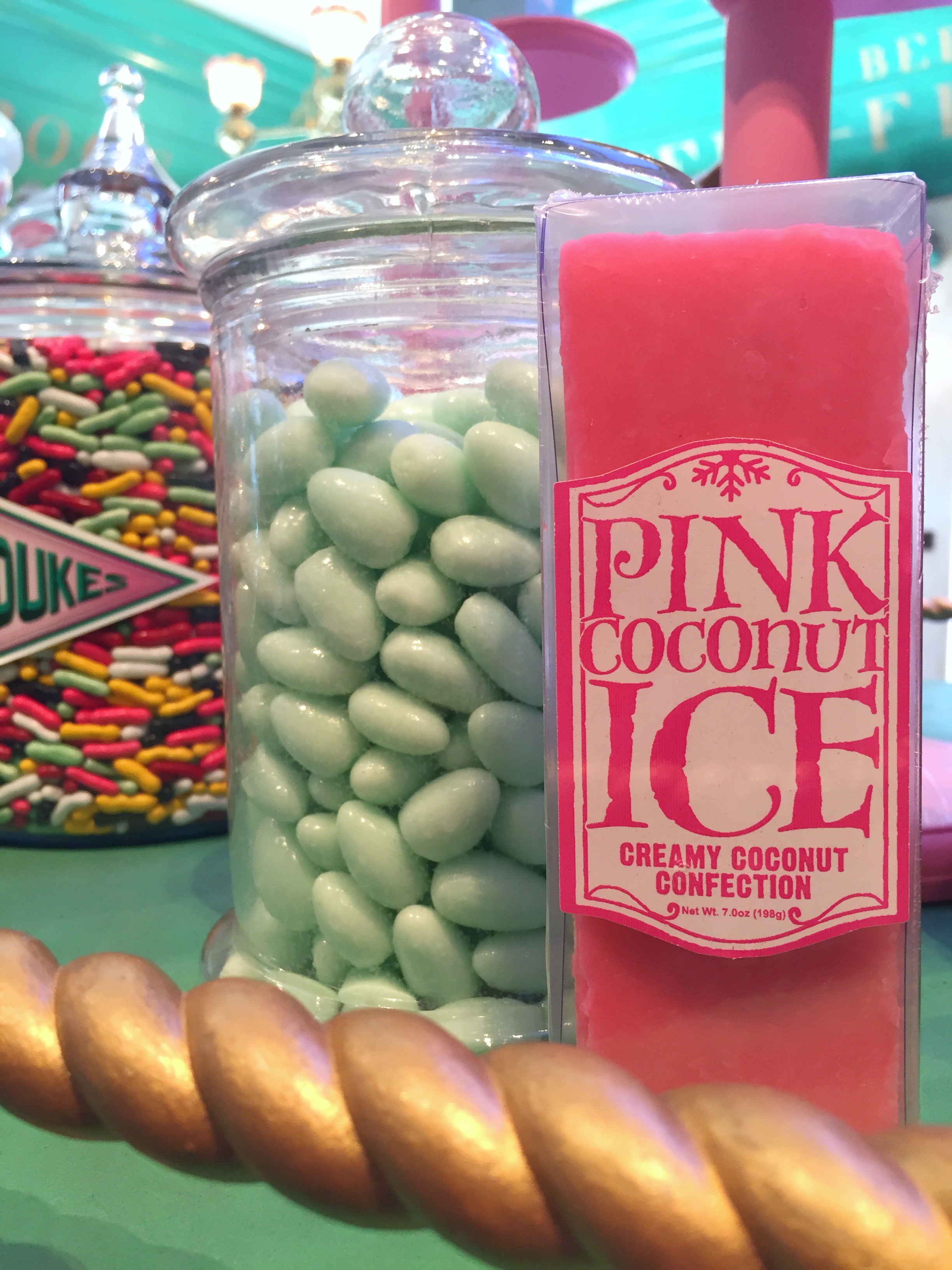
Our favorite shop was Honeydukes sweet shop, where anyone with a sweet tooth can get his or her candy wishes fulfilled. The candy selection was nothing short of magical. We picked up some Chocolate Flies, a Chocolate Frog and some Pink Coconut Ice candy.
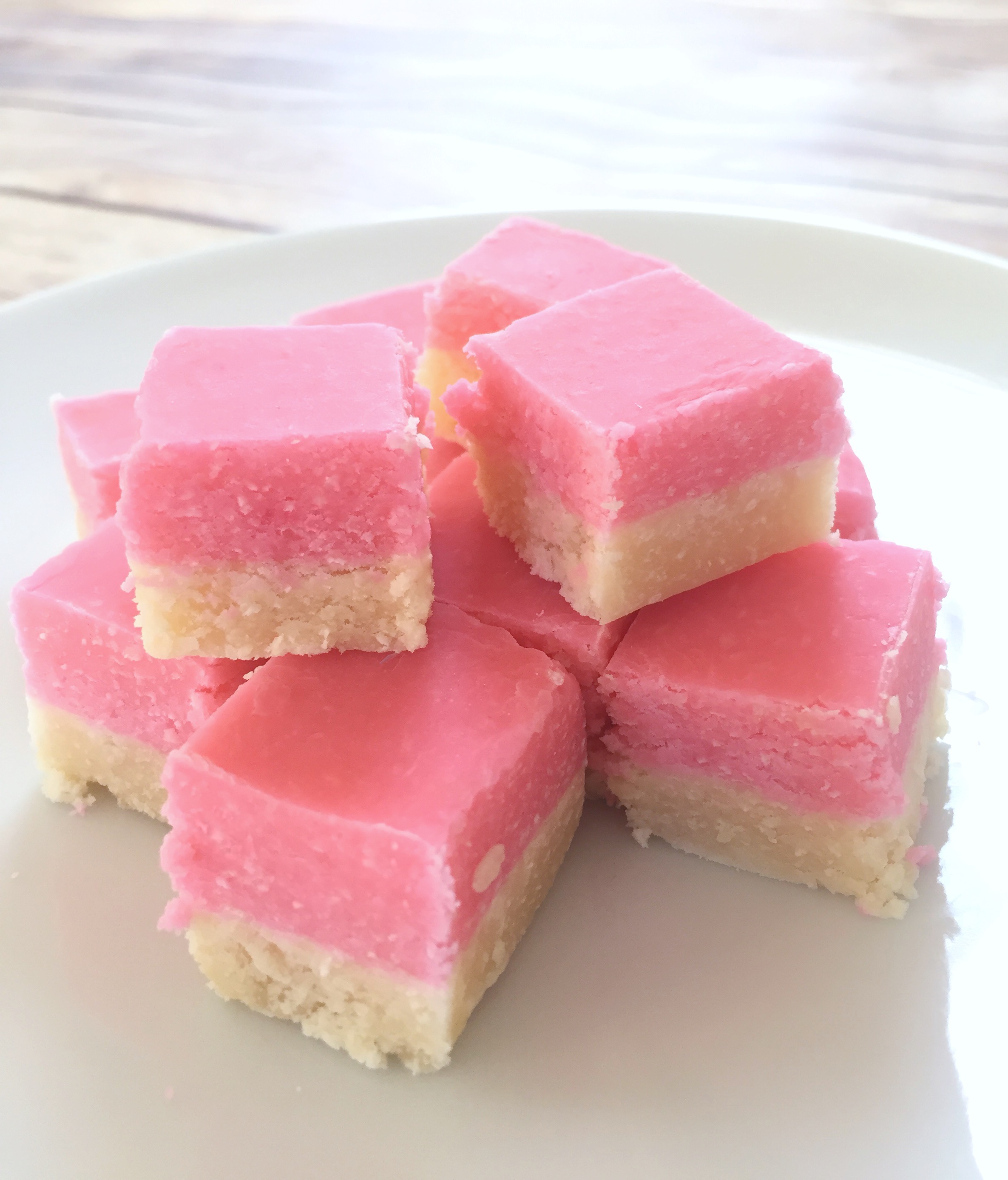
I was most excited to try the Pink Coconut Ice. I’ve been intrigued by the thought of this candy ever since it was mentioned in the book, Harry Potter and the Prisoner of Azkaban by J.K. Rowling. The Pink Coconut Ice candy is similar to a stiff fudge. It’s very sweet, so you can cut it into small squares and have plenty to share with friends.
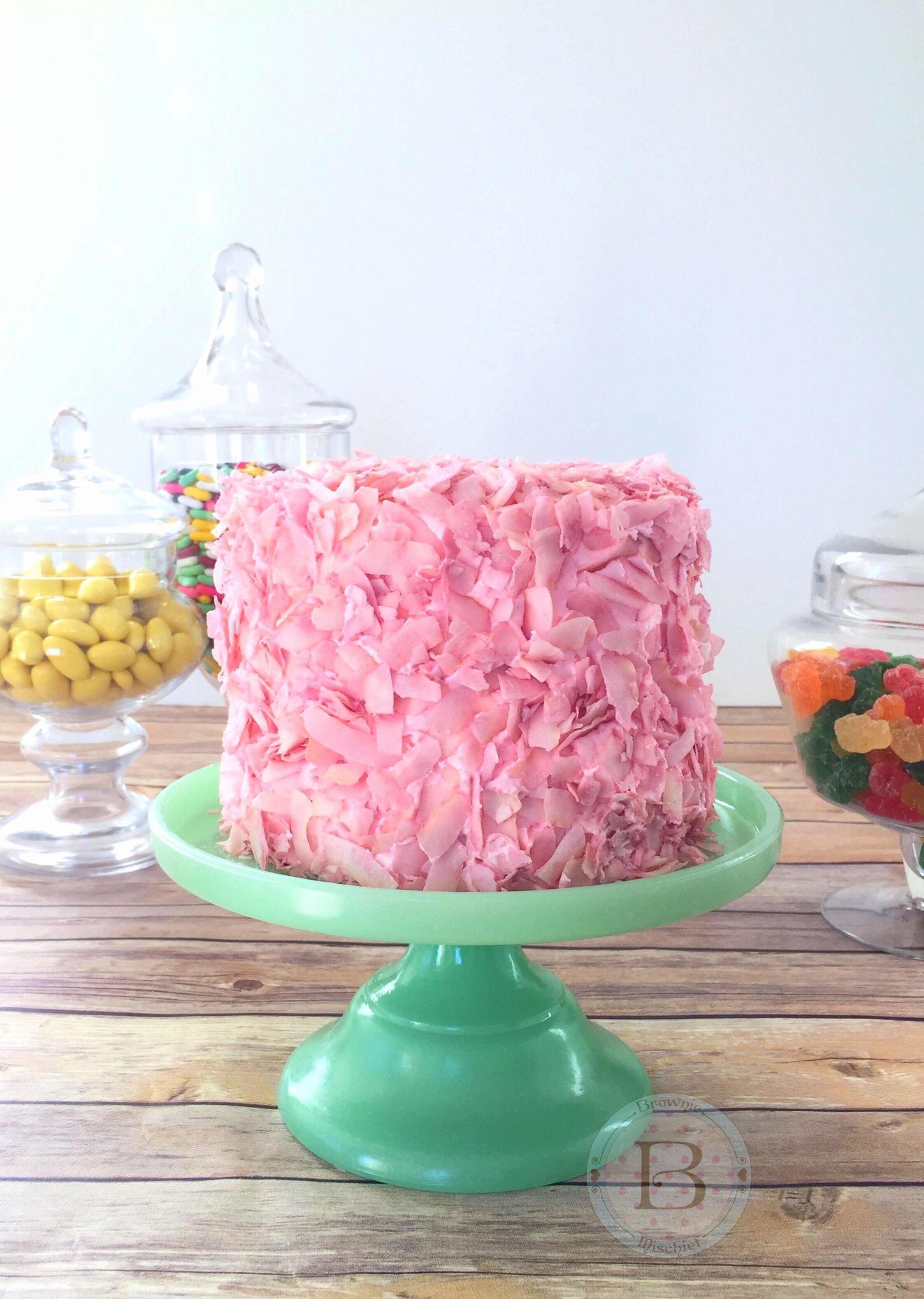
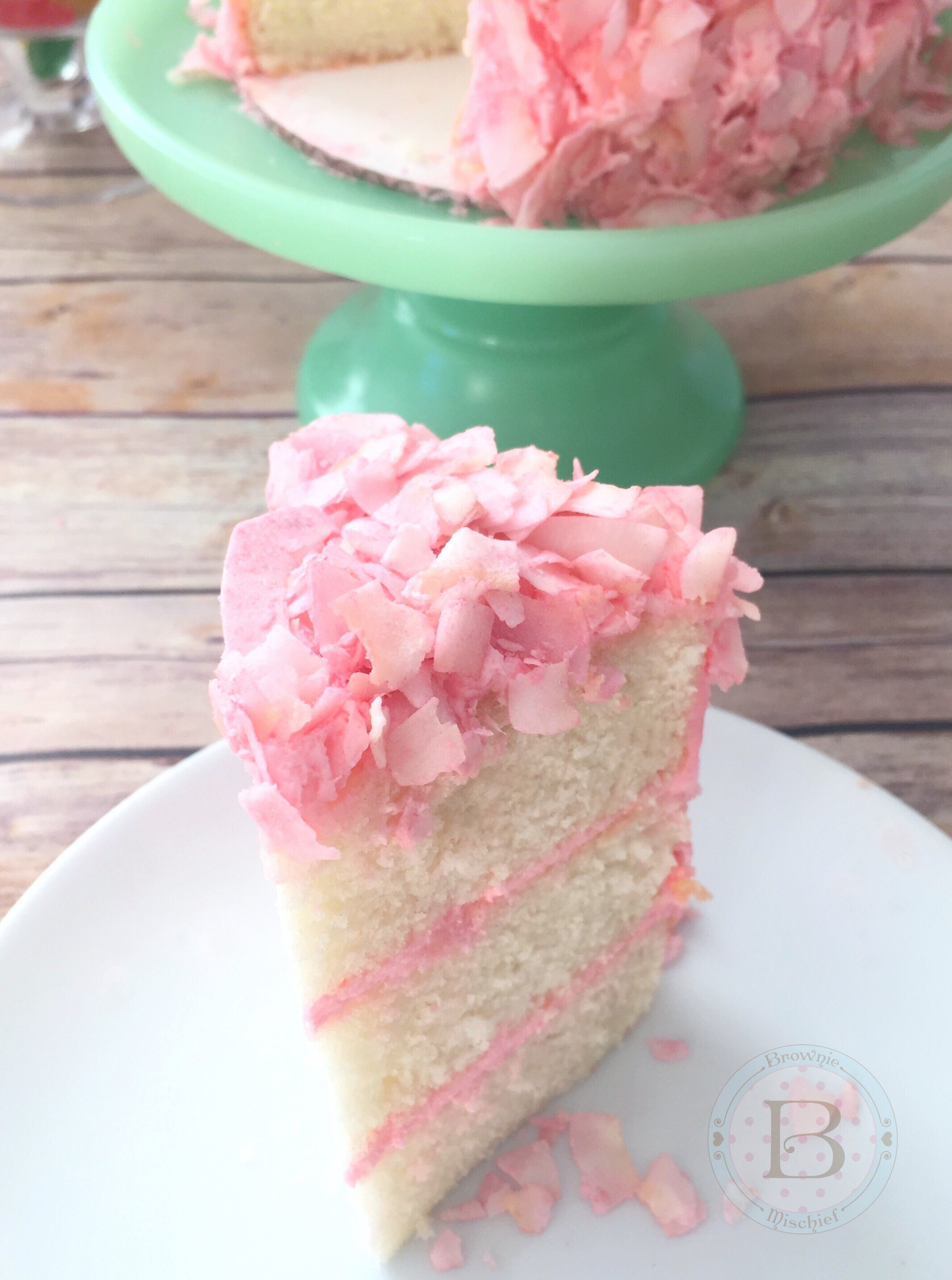
I imagined the “shimmery pink squares” a little differently so, I decided to build on my imagined version of the coconut candy by making a shimmery pink coconut cake. I used my favorite coconut cake recipe and pink coconut buttercream. I tinted my buttercream with Americolor gel food color soft pink. I covered my cake in large flakes of unsweetened coconut. To find unsweetened coconut flakes, click here. I think the large flakes look more whimsical and add texture, but feel free to use whatever kind of coconut you prefer. I colored my coconut a shimmery, soft pink. Click here to see how I colored my coconut flakes.
You don’t have to be a Harry Potter fan to appreciate this pink, fluffy, coconut-covered cake. I can imagine this pretty cake at any party or event with a pink theme. I hope you enjoy this perfectly Pink Coconut Ice Cake as much as we did!
Pink Coconut Ice Cake
by Mari Vasseur
Moist, fluffy coconut cake with pink buttercream and coconut flakes
Pink gel food colorI used Americolor soft pink (link below)
Pink Coconut Flakes
3cups unsweetened coconut flakes
1tablespoon powdered sugar
Edible pink petal dustI used Rosie Sterling Pearl Dust by GSA (link below)
Instructions
Coconut Cake
Preheat the oven to 350ºF (180ºC). Line the bottoms of three 6-inch cake pans with parchment paper. Grease and flour the insides.
In a large bowl, whisk together the flour, baking powder and salt until well blended.
In a large bowl, beat the butter, sugar and oil and coconut extract together with an electric mixer at medium speed, until pale and fluffy, about 2-3 minutes. Gradually beat in egg whites until the mixture is smooth and creamy, stopping to scrape the sides of the bowl as needed.
On low speed, beat in flour mixture in 3 additions, alternating with the coconut milk after each addition.
Pour batter into the prepared pans, evenly distributing batter among the pans. Bake for 28-32 minutes, until a toothpick inserted into the center of the cakes comes out clean.
Cool the cakes for 10 minutes. Remove the cakes from pans and transfer them to a cooling rack.
Pink Coconut Buttercream
In a large bowl, beat the butter with an electric mixer on medium speed, until pale and fluffy.
Turn off the mixer. Add the powdered sugar and salt. Mix on low speed until the sugar is moistened, then turn the mixer up to medium speed and beat until combined. Add coconut extract, then add the coconut milk a little at a time, until the desired consistency is reached. Continue mixing on low speed until the buttercream is smooth.
Add the food coloring with a toothpick, a little at a time, until desired consistency is reached. Beat at low speed until well blended. Fill and frost the cake.
Pink Coconut Flakes
Place the powdered sugar in a small bowl. Add a small amount of petal dust. Whisk together with a small whisk. Add additional petal dust until the desired color is reached.
Spread the coconut flakes out onto a large shallow dish. Sprinkle powdered sugar mixture over coconut with a small sieve. Toss gently with gloved hands.
Place the cake on a baking sheet to catch excess coconut. Gently press the colored coconut onto the sides and the top of cake.
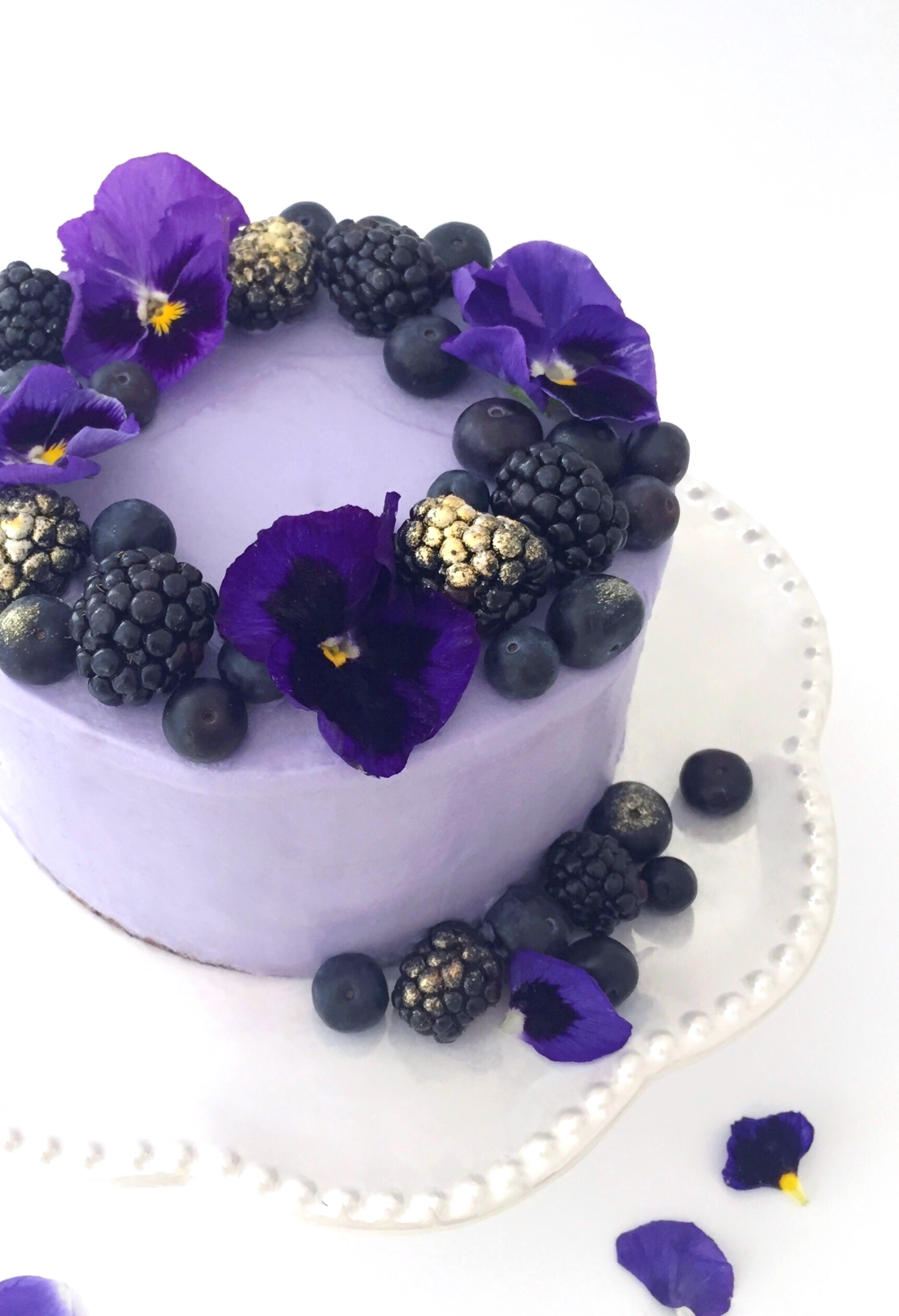
Purple is passionate. It’s mystical. It’s regal. Don’t we all know someone whose favorite color is purple? It’s painfully obvious. They can’t hide it. They don’t want to hide it. They can’t just be friends with purple. They’re in a relationship with purple. The first time I made this Purple Berry Cake, a purple lover I know said that when she saw it, it spoke to her soul.
Fresh berry purée is added to the batter, creating a soft, moist cake. The layers are brushed with berry syrup, which helps keeps the cake moist and gives it a nice punch of berry flavor. I used blackberries and blueberries, but you can use any combination of purple berries that you like. After baking, the color of the cake layers will be a brownish gray with a hint of purple, depending on your berries. I think I need to come up with name for this color. How about Silverberry? You can see tiny flecks of the berries in the cake and I think the color is lovely, especially with the lavender frosting. If you want a more purple cake, feel free to add some gel food color to the batter. I used Wilton Violet gel food color to achieve the pretty lavender cream cheese frosting. The extra butter and the addition of heavy cream makes this frosting silky and spreadable.
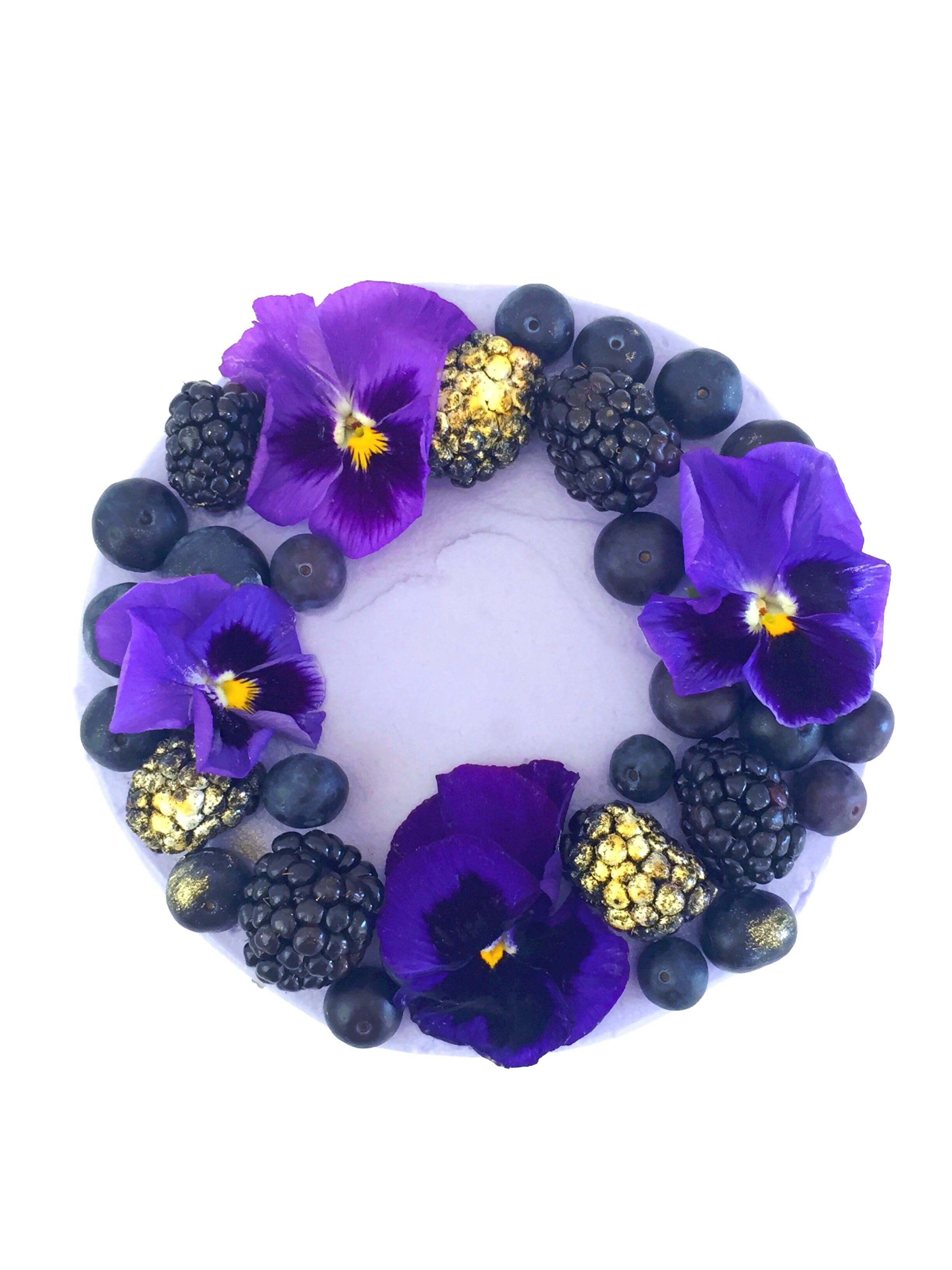
I’m obsessed with edible flowers lately, so I garnish my baked goods with them whenever I can get my hands on some. I found these pansies in the produce department of my local food market. If you can’t find pansies, pesticide free violets or rose petals would also be pretty. Make sure to apply them to your cake right before serving, since they are delicate and will wilt over time. Brush some of your berries with a little dab of edible gold luster dust for an extra regal touch.
Purple Berry Cake with Silky Cream Cheese Frosting
A soft, moist cake made with berry purée and topped with silky lavender cream cheese icing
12ounces (340g)fresh berries (plus more to garnish cake)I used blackberries and blueberries
1 ½ cups (191g)all purpose flour, sifted
1teaspoonbaking powder
½ teaspoonbaking soda
½teaspoonfine sea salt
1 ½cups (300g)sugar, divided
⅓cup (75ml)vegetable oil
2largeeggs, room temperature
1teaspoonpure vanilla extract
½cup (118ml)buttermilk, room temperature
Silky Cream Cheese Frosting
¾cup (170g)cream cheese, softened
¾cup (170g)unsalted butter, softened
1teaspoonpure vanilla extract
⅛teaspoonfine sea salt
1pound (454g)powdered sugar, sifted
1tablespoonheavy cream, room temperature
Purple gel food colorI used Wilton Violet
Garnishes
Fresh berries
Edible gold luster dustI used Alan Tetreault Edible Hybrid Luster Dust Soft Gold
Edible flowersI used pesticide free pansies
Instructions
Purple Berry Cake
Preheat the oven to 350º F (180ºC). Like the bottoms of two 6-inch round cake pans with parchment paper circles. Grease and flour the insides.
Purée the berries in a blender or small food processor. Strain the puréed berries through a sieve. Reserve 2/3 cup (150g) of the berry puree. Set aside the remaining puree for the syrup.
In a medium-size bowl, whisk together the flour, baking powder, baking soda, and salt until well combined.
In a large bowl, beat 1 1/4 cups (250g) of sugar with the oil, eggs and vanilla extract, with an electric mixer on medium speed, until light and fluffy. Stir in the reserved 2/3 cup berry purée. Add the flour mixture in two additions, alternating with the buttermilk, beating at low speed just until combined.
Pour the batter evenly into the prepared cake pans. Bake until a toothpick inserted into center of cakes comes out clean, about 30-35 minutes. Cool the cakes in the pans for 10 minutes. Remove the cakes from pans and transfer them to cooling racks to cool.
While the cakes are baking, make the berry syrup. In a small saucepan, heat the remaining berry purée with the remaining 1/4 cup sugar (50g) and 1/4 cup (59ml) of water over medium-low heat. Stir together and cook until sugar is dissolved. Set aside to cool.
Split each cooled cake llayer into two and brush with berry syrup. Fill and frost the cake with Silky Cream Cheese Frosting.
Silky Cream Cheese Frosting
In a large bowl, beat cream cheese with an electric mixer on speed or by hand with a spatula, until smooth. Add the butter and beat until smooth and well combined. Add the vanilla extract and salt and beat until combined.
Gradually add the powdered sugar and beat at medium speed until combined. Add the heavy cream and beat at low speed until smooth and creamy.
Add the food color with a toothpick, a little at a time, until the desired shade is reached. Beat at low speed until well blended. Smooth out any air bubbles by stirring slowly by hand with a spatula.
Garnishes
Garnish the top of the cake with fresh berries. Brush a few of the berries with edible gold luster dust. Garnish with fresh flowers immediately before serving.
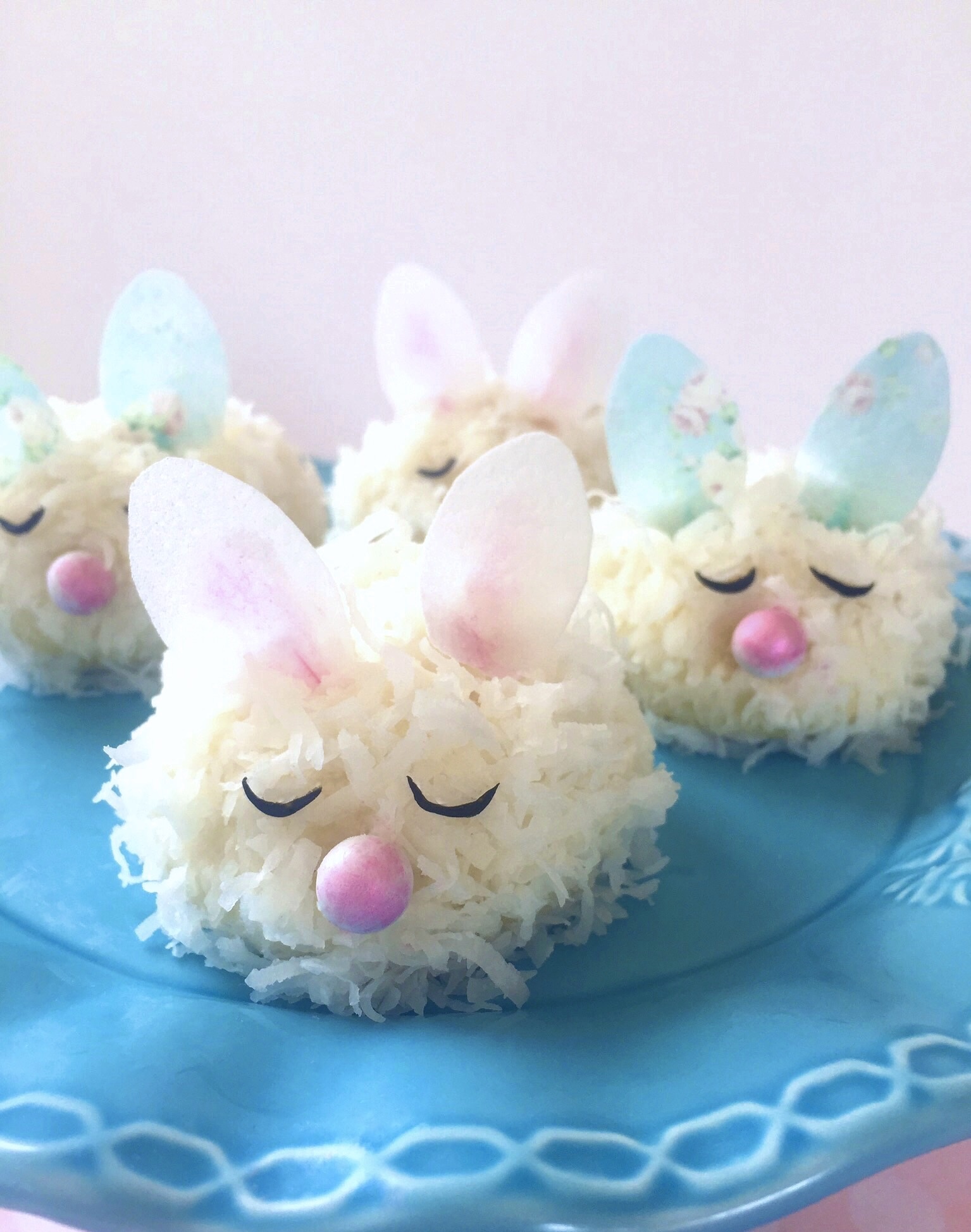
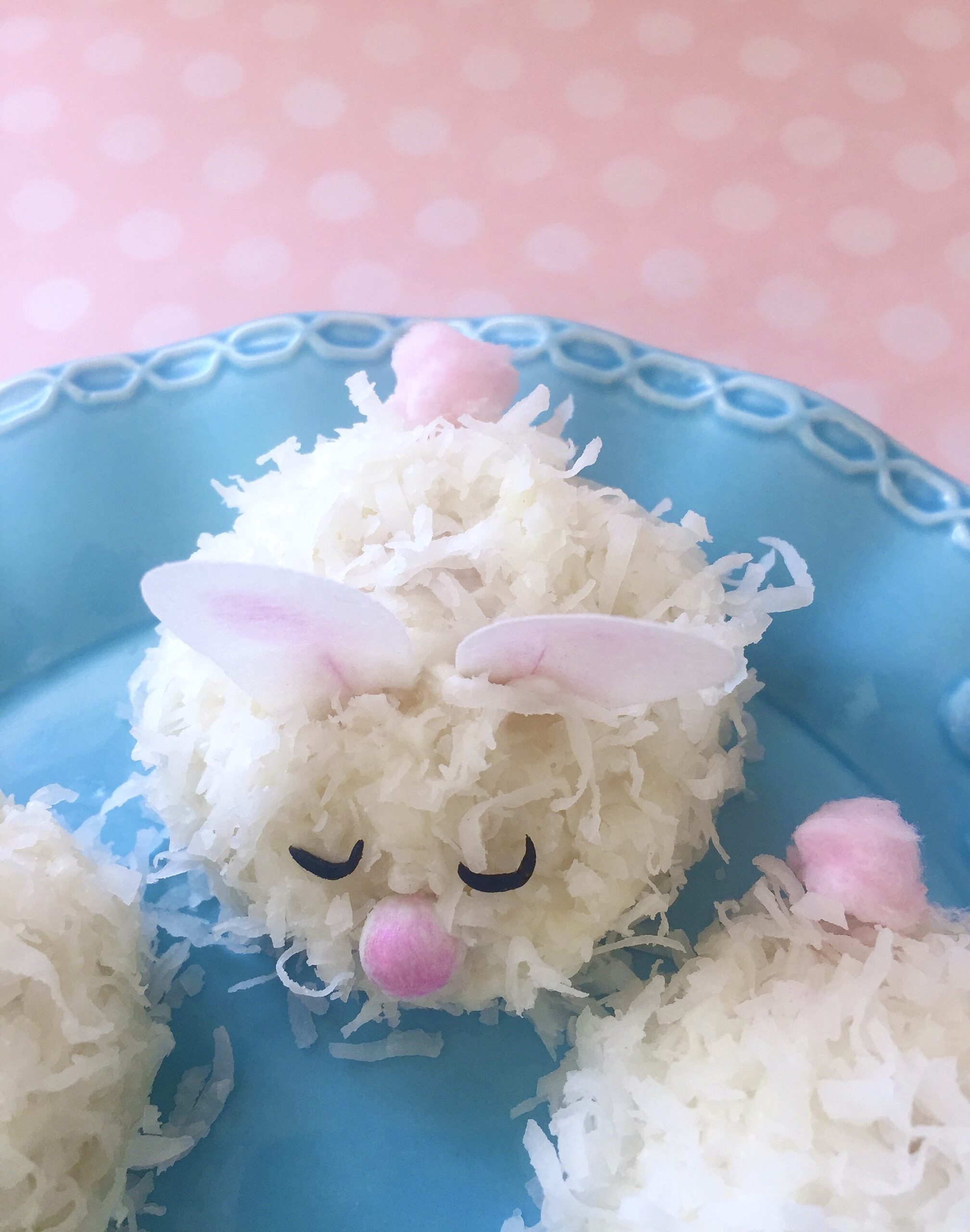
Spring is the time for blue skies, flowers blooming, bunnies scampering around and Easter celebrations. What better time to make cute Baby Bunny Coconut Cakes? I wanted to make them look like newborn bunnies curled up peacefully for a nap, so I decided to use a hemisphere pan.
When I was shopping around for hemisphere pans, also know as ball pans, I considered metal pans and silicone pans. In general, I prefer metal pans for baking cakes, but I decided on silicone, hoping to get more use out them. I plan on using them for frozen and refrigerated desserts as well. You can find hemisphere pans at kitchen stores, craft stores, baking supply stores and online. To find the pan I chose, click here.
My next dilemma was whether or not to coat the pans before baking. From what I’ve read, many people seem to have trouble getting their baked goods out of silicone pans, even though the majority of these pans claim to be non-stick. I decided to experiment, trying three different ways. I coated some of the wells with grease and flour, some with only grease, and some were left uncoated. I found that when I inverted the pan, the cakes released effortlessly from the coated wells. The cakes in the uncoated wells took a slight amount of prodding and a bit of residue was left behind, but the cakes were in tact. All three ways seem to work fine, but I decided that, for my own peace of mind, I will grease all of the wells in the future.
Decorating these bunny cakes is fun and easy, so this would make a great project for the little ones. You can use the candies of your choice to make eyes and noses. I used white candy pearls for the noses and colored them pink with edible petal dust. I made sleepy eyes out of black fondant. Black fondant is difficult to make, so I always buy it. It’s available for purchase in small quantities. I used edible wafer paper to make the bunny ears, but fondant would also work. A little puff of cotton candy makes a sweet tail. So many possibilities! Whether you make Baby Bunny Coconut Cakes for Easter, a child’s birthday party, a baby shower or simply to celebrate spring.
Baby Bunny Coconut Cakes
by Mari Vasseur
Fluffy, moist mini hemisphere coconut cakes with coconut buttercream frosting, topped with shredded coconut.
Preheat the oven to 325ºF (165ºC). Grease 2 silicone 6-serving mini hemisphere pans. Place the pans on large baking sheet.
In a medium-sized bowl, sift together the flour, baking powder and salt until well blended.
In a large bowl, beat the butter, sugar and oil together with an electric mixer at medium speed, until pale and fluffy. Beat in the coconut extract. Gradually beat in egg whites, until the mixture is well combined, stopping to scrape the sides of the bowl. On low speed, beat in the flour mixture in three additions, alternating with the coconut milk, stopping to scrape the sides of the bowl as needed. Beat just until combined.
Fill the hemisphere pan wells, 2/3 full with batter. Bake for 20-24 minutes, until a toothpick inserted into the center of cakes comes out clean.
Place the silicone pans on a cooling rack to cool for 10 minutes. Invert the pans to remove mini cakes and place on cooling racks to cool completely.
Coconut Buttercream
In a large bowl, beat the the butter with an electric mixer on medium speed, until pale and fluffy.
On low speed, gradually add the powdered sugar and mix until smooth and well combined. Add the coconut extract and salt. Beat until combined. Add the coconut milk a little at a time until the desired consistency is reached. Continue beating at low speed until the buttercream is smooth.
Frost the domed tops of the mini cakes with a small offset spatula. Cover with shredded coconut, pressing lightly to adhere. Decorate as desired.
Finishing Touches
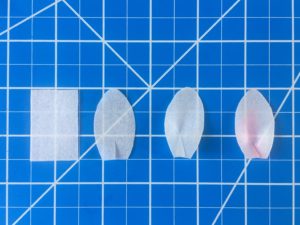
To make bunny ears, cut twenty-four 1 1/2-inch by 1-inch rectangles out of edible wafer paper. Cut each rectangle into a long football shape, flat at one end. Cut a 1/2-inch slit at the flat end. With a small paint brush, dab a bit of piping gel on one side of the slit. Overlap the cut ends of the slit and press together with your fingers. Let dry. Brush pink luster dust into the center of the ears. Skip this step if you are using floral wafer paper. Cut small slits into the bunny cakes and insert the ears.
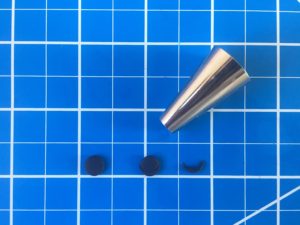
To make sleepy eyes, roll out a bit of black fondant to 1/16-inch thickness. Cut circles using the small end of a #12 piping tip. Cut thin crescent shapes from the circles using the small end of the piping tip. For easier handling, let eyes dry for a few minutes. If the coconut on your bunny cakes is still moist and tacky, the eyes will stick. If not, brush them with a small bit of water or piping gel.
To make noses, use the candy of your choice, such as candy pearls or candy hearts. I used white candy pearls, brushed with edible pink luster dust.
To make tails, you can use cotton candy or mini marshmallows attached with a bit of buttercream. If using cotton candy, keep in mind that it melts when exposed to air, so it's best applied right before serving.
Notes
*Do not substitute all-purpose flour. For best results, weigh your dry ingredients.**For best results, use natural coconut extract. Imitation coconut flavorings may give your baked goods an unpleasant flavor.***If your coconut milk is separated when you open the can, simply place it in a blender to emulsify it before using.To find the hemisphere pan I used, click here.To find white edible wafer paper, click here. Floral wafer paper can be found on Etsy.To find black fondant, click here.
My relationship with Valentine’s Day has transformed over the years. When I was a child, I joyfully skipped home from school with my bounty of tiny Valentine cards, candy hearts and a cupcake someone’s mother baked. As I grew older, I was hot and cold towards Valentine’s Day, depending on the state of my love life at the time. After having kids, Valentine’s Day became about red construction paper, doily hearts and glue sticks. I happily cleaned up sprinkles and kissed chubby, frosting-stained cheeks. Now I think of Valentine’s Day as simply a day to celebrate love. I embrace Valentine’s Day and all the hearts, roses and chocolates that go with it! Show your loved ones that you love them on Valentine’s Day, but more importantly, show them throughout the year, by loving, respecting and accepting them for who they are every day.
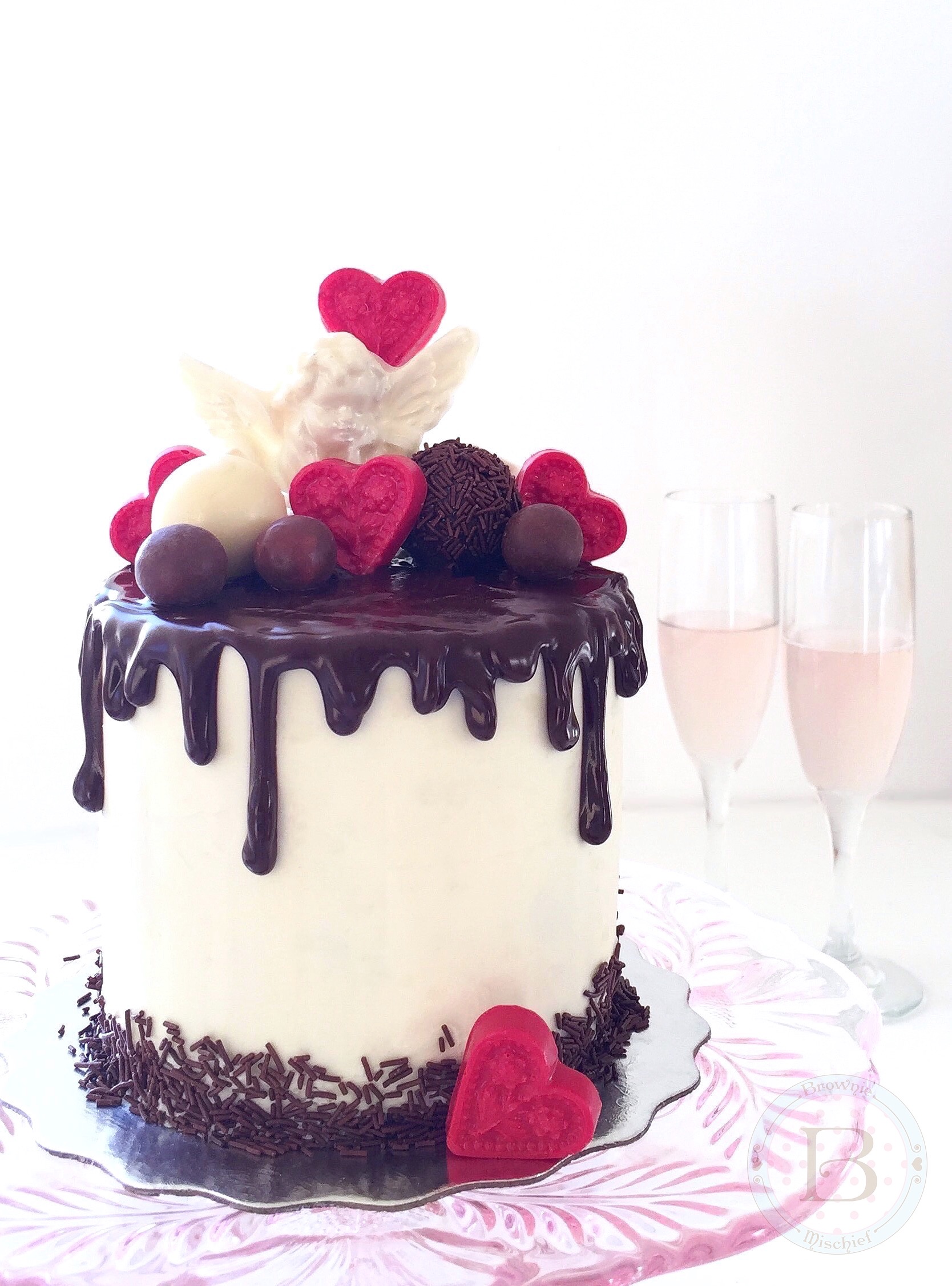
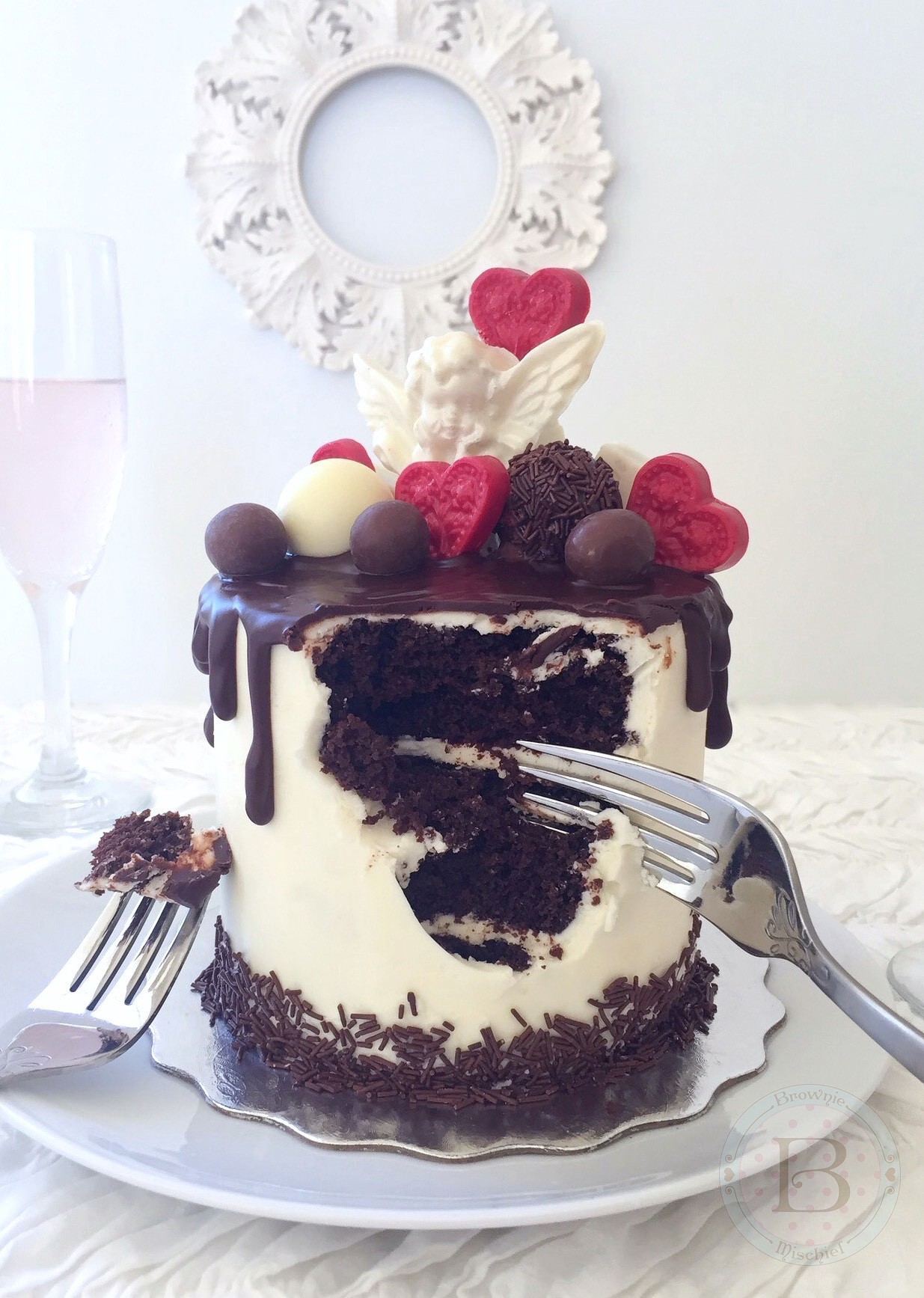
If your heart beats for a chocolate lover, then this Valentine cake for two will have them swooning. It’s small in size, but grand in chocolate indulgence. It has three layers of moist chocolate cake, rich, white chocolate buttercream and a silky chocolate glaze. As if that isn’t enough, I loaded the top with chocolate candy! Some of the candy is store bought and some I made with candy melts and chocolate molds. Click here to find the cherub mold.Click here to find the heart mold.
I hope you share this Valentine cake with someone you love! However you celebrate the day and whoever you love, have a happy one!
Chocolate Lovers' Valentine Cake for Two
A mini chocolate cake with white chocolate buttercream, topped with chocolate glaze and chocolate Valentine candy. Perfect for sharing!
Preheat oven to 350°F. Grease & flour three 4-inch cake pans. *See note below.
Sift flour, cocoa powder, baking powder, baking soda and salt together in a medium bowl. Add sugar and stir to combine.
Combine egg, buttermilk, vegetable oil and vanilla extract in a small bowl. Whisk lightly to combine.
Add egg mixture to dry ingredients and mix on low speed with a handheld electric mixer, until combined. Stop mixer. Scrape sides of bowl with spatula. Turn mixer up to medium speed and beat for 1 minute.
Add hot coffee and stir until incorporated.
Pour batter into prepared cake pans, dividing batter evenly between the pans. Bake for 20-25 minutes or until a toothpick inserted into the center of the cake comes out clean.
Cool cakes in pans 10 minutes, then invert onto a wire rack to cool.
White Chocolate Buttercream
Melt white chocolate in a double boiler over gently simmering water. (Alternately, you can melt the white chocolate in the microwave. In a small microwaveable bowl, heat the white chocolate for 30 seconds, then stir. Heat again for 10 second intervals, stirring until melted, being very careful not to overheat it.)
Set white chocolate aside to cool until lukewarm and still soft.
In a medium bowl, beat butter with an electric mixer at medium speed until pale and creamy.
Add vanilla extract, salt and melted white chocolate. Beat at low speed until combined. Stop mixer. Scrape sides of bowl with spatula.
Add powdered sugar. Beat at low speed, until powdered sugar is combined. Beat at medium speed until buttercream is smooth, stopping to scrape the bowl occasionally. Keep covered at room temperature until ready to use.
Cake Assembly
When cakes have cooled completely, trim the cake layers to 1-inch tall.
Attach one of the layers to a cake board with some of the white chocolate buttercream. Apply 1/4-inch thick layer of buttercream to the top of the cake layer, followed by the second cake layer, another 1/4-inch thick layer of buttercream, then the final cake layer.
Apply a crumb coat (thin layer) of buttercream to the cake. Chill the cake in the refrigerator for 20 minutes.
Frost the cake with the remaining buttercream. Apply chocolate sprinkles to the bottom edge of the cake.
Melt chocolate drip glaze ingredients together in a double boiler over gently simmering water. Let cool slightly.
Spoon chocolate glaze into a piping bag. Snip off the end of the bag with kitchen scissors. Drizzle chocolate glaze along the edges of the perimeter of the cake, then fill in the middle. Smooth top with a small offset spatula.
Top cake with assorted chocolate candy. If desired, you can stack some of the candy and adhere them with melted chocolate to give some variation in height.